

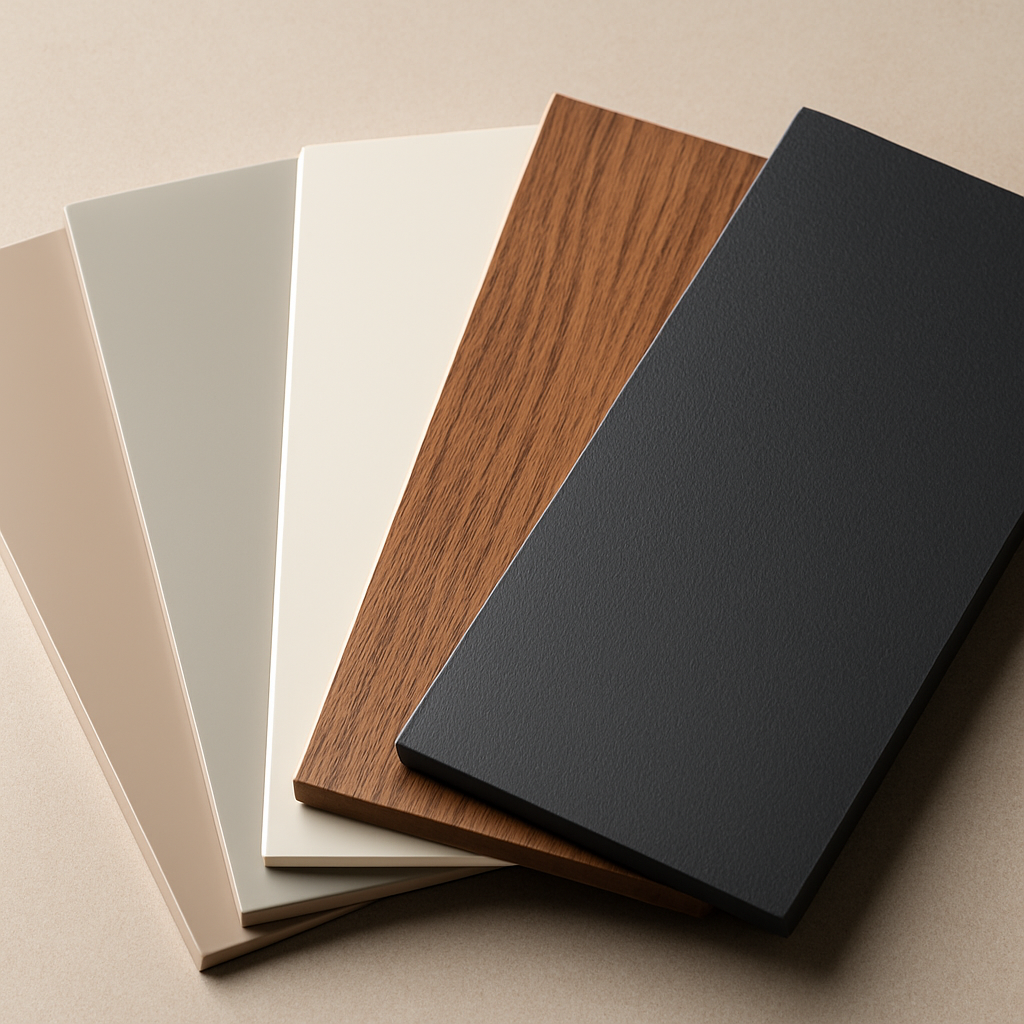

Laminate Decor Finishes Compared: Acrylic, Matte, Gloss, Textured and PU — Which Is Right for Your Project?
Choosing the right laminate decor finish can define how a space reads, ages, and performs under changing light. This practical guide compares acrylic, matte, gloss, textured, and PU finishes, with real-world guidance for cabinets, walls, and furniture—plus sourcing context from Manix Global. You’ll see how each finish interacts with lighting, substrates, and maintenance so you can decide with confidence.
Acrylic Laminate
In laminate decor terms, Acrylic laminate decor delivers color depth and a glassy, wipe-clean surface that reads as premium. It isn’t the cheapest option, but it rewards projects that need a strong first impression and long-term visual stability. The key is to manage expectations around installation, edge finishing, and lighting so the surface truly reads as high-end rather than plastic-y.
Ideal applications are cabinetry, feature walls, and statement furniture—where the surface can be pushed to the foreground. Lighting matters: glossy surfaces bounce light, so plan both natural daylight and artificial lighting to avoid hotspots or washouts. In spaces with low-contrast color schemes, an acrylic panel can be the focal point that ties the room together.
Durability and maintenance: acrylic laminates offer excellent surface hardness and easy wipe-downs, with strong resistance to staining. Fingerprints look less problematic on darker hues but show more on very light colors; micro-scratches can be more noticeable on highly polished finishes. Clean with a soft microfiber cloth and mild, non-abrasive cleaners; avoid solvents that can dull the gloss.
- Pro: Deep color and high reflectivity create a premium presence that remains visually consistent over time.
- Con: Higher upfront cost and the need for skilled installation to protect edges and avoid waviness.
- Limitations: Susceptible to scratches and heat distortion on very light colors if not treated with care.
- Best practice: Specify an experienced fabricator, sealed edges, and a clear maintenance plan to preserve gloss and color.
A real-world use case: in a Mumbai apartment, a kitchen island clad in a high-gloss acrylic laminate in a deep espresso color became the room’s centerpiece. It paired with cool white walls and under-cabinet LEDs that intensified the finish’s depth. After six months of daily use, fingerprints were minimal thanks to the gloss but a few micro-scratches emerged on the exposed edge, addressed later with edge protection and gentle polishing.
Pairing tip: use acrylic with a simple substrate like plywood or MDF, and keep surrounding panels in neutral tones to avoid competing reflections. Darker graphite or white neutrals work well, and avoid combining with busy wood grains that fight for attention and create visual noise.
Takeaway: Choose acrylic when you need dramatic color and easy maintenance, but lock in skilled installers, edge protection, and lighting planning early in the project.
Matte Finish Laminate
Matte laminate surfaces deliver a contemporary warmth by absorbing light, not reflecting it, which makes color read softer and texture more tactile. In practice, this means room brightness feels more controlled, but the surface can appear uneven under strong direct glare. You trade off one risk: micro-scratches and cleaning residue become more noticeable if you use aggressive cleaners or wipe against the texture. Lighting design matters here—balanced daylight and warm LEDs help the color stay true without amplifying shadows.
Visually, matte finishes read as a soft, velvety veil rather than a mirror. The surface hides fingerprints and smudges well, which keeps cabinetry looking pristine in everyday use. However, water marks or soap residues can become visible if left damp, and bright daylight can reveal subtle unevenness in the finish or texture. For designers, this means pairing matte with controlled lighting and selecting water-resistant laminates when used near sinks or spills. For reference, industry guides from Formica and Wilsonart outline how matte textures handle light and cleaning differently across brands.
- Modern kitchens and feature cabinetry for a refined, non-glossy, sophisticated aesthetic.
- Wardrobe doors in bedrooms where glare control and tactile appeal matter.
- Wall panels in bright daylight spaces to minimize reflections while preserving depth.
Maintenance reality: clean with a damp microfiber and a mild, pH-neutral detergent; wipe in the direction of the texture; dry thoroughly to avoid water marks. Avoid wax-based polishes or aggressive solvents that dull the velvety appearance. If fingerprints appear, a soft cloth with gentle pressure is enough; aggressive scrubbing will abrade the texture and create a patchy look.
Trade-offs become clear in humid environments or kitchens with frequent splashes. Matte is forgiving of fingerprints but less forgiving of water spots and soap residue, which can linger if surfaces aren’t dried promptly. In high-traffic areas, micro-scratches can accumulate a hazy look more readily than on glossier finishes, which may influence maintenance cadence and cleaner choices.
Color and texture pairings matter for depth. Pair matte with warm neutrals to avoid a flat appearance, and consider introducing a contrasting texture on an adjacent panel or a subtly grained wood laminate to keep the space visually engaging. Ensure substrate compatibility and adhesive performance are matched to the chosen thickness to avoid texture loss over time.
Concrete example: In a Mumbai apartment, a matte taupe base cabinet paired with a lighter matte wall panel reads calm under cloudy daylight. The lack of glare keeps a patterned laminate on the island in focus, and fingerprints stay minimal between cleanings, even with daily kitchen activity.
Bottom line: matte finishes are a strategic choice when you want a non-reflective, tactile aesthetic and fingerprint resilience, paired with lighting planning and a mindful maintenance routine.
Gloss Finish Laminate
Gloss Finish Laminate delivers bright, reflective surfaces that amplify light and color, making spaces feel larger and more modern. It excels on cabinetry, feature walls, and furniture where a clean, polished look is desired, but it also introduces maintenance and wear considerations that can undermine the effect if ignored.
Lighting and Visual Impact
Gloss surfaces bounce natural daylight and artificial light, which can dramatically lift perceived space in small rooms. In daylight, reflections reveal grain and tone with high clarity; under warm LED lighting, you get a softer glow. The trade-off is glare and uneven reflections on highly polished panels, especially on horizontal surfaces where you glimpse your own face in the sheen. Plan for lighting that complements gloss rather than competes with it.
Durability and maintenance work differently on gloss than on matte. Fingerprints, smudges, and micro-scratches are more visible on gloss than on matte finishes. Edge wear is also more conspicuous if edges aren’t sealed or if the laminate overhang is exposed to heat and steam. Use high-quality hardware and reliable edge-banding, and insist on reputable adhesive systems to preserve gloss shine over time.
- Dust with a microfiber cloth to prevent wiping residues.
- Clean with a mild, non-abrasive cleaner and water; dry with a soft cloth to avoid streaks.
- Wipe in the direction of the surface; avoid circular scrubbing that can create micro-scratches.
- Avoid ammonia-based cleaners or solvents that can dull the gloss over time.
- For stubborn smudges, use a laminate-safe cleaner or a damp microfiber with gentle soap.
Concrete Example: A small kitchen in a new-build apartment used high-gloss white cabinetry to visually expand an 8-by-12 foot space. In daytime, the glossy panels reflect the living area, making it feel brighter; after cooking, fingerprints appeared on the uppers, prompting the client to add a matte backsplash and implement a quick daily wipe-down ritual.
Takeaway: Gloss is ideal where you want brightness and a contemporary feel and you can sustain regular cleaning; for surfaces with high touch or challenging lighting, reserve gloss and balance with other finishes to create depth.
Textured Laminate
Textured laminates add tactile depth to laminated surfaces, turning flat panels into something that reads like a crafted material rather than plain plastic. The texture can mimic wood grain, fabric, or abstract patterns, and it shifts with the light and viewing angle.
In laminate decor, the texture reads differently under natural versus artificial light; grooves catch highlights and shadows, which affects perceived warmth and contrast. Because of that, planning texture direction and lighting is not cosmetic—it’s part of performance.
Practical insight: textures hide minor wear better than flat finishes, but they complicate cleaning. Dust tends to collect in grooves and seams, and aggressive scrubbing can flatten relief over time. A soft brush followed by a microfiber wipe with a mild cleaner preserves the pattern without dulling it.
Ideal applications for textured laminates include feature walls, statement cabinetry, and modular furniture where close-range viewing is common. For long runs, ensure the texture direction is consistent across panels to avoid visible breaks at seams, and pair with substrates that can hold edge finishes cleanly.
Concrete example: in a Mumbai apartment renovation, a charcoal textured laminate was used on the island face and an adjacent wall panel. The texture and warm accent lighting make the surface feel like hand-finished timber, while fingerprints remain largely inconspicuous compared with gloss. This approach adds warmth without sacrificing durability in a high-traffic zone.
Brand and installation note: texture direction should align with the primary viewing axis across large surfaces, and edge banding must be chosen to respect the texture—matte or satin edges reduce glare at edges while keeping the relief visible. When sourcing, coordinate with Manix Global to ensure a consistent texture across batches and keep edges clean on PVC and plywood substrates.
Design pairing and care: couple textured laminate with warm neutrals or wood-toned accents, and avoid pairing heavy texture with overly glossy elements that compete for attention. Use subdued lighting to emphasize relief rather than relying on bright, direct light that can flatten texture.
Takeaway: textured laminates shine when used to create tactile moments; deploy them strategically on surfaces that benefit from depth and warmth, and coordinate texture direction with lighting and substrate for consistent, durable results.
PU Laminate
PU Laminate delivers the most robust surface among decorative laminates, thanks to a polyurethane overlay on a traditional high-pressure laminate. In laminate decor terms, it combines color depth and pattern with superior resistance to scratches, scuffs, and chemical cleaners, making it a practical choice for high-traffic cabinetry and wall panels in kitchens, offices, or healthcare spaces.
Cost and installation are realities: PU finishes cost more than matte or standard acrylic and require a skilled installer to manage heat-press parameters and edge sealing. UV stability varies by product, so choose formulations with UV inhibitors if sun exposure is a factor; edges are where wear shows first.
- Key advantage: Exceptional abrasion and chemical resistance with easy wipe-downs, maintaining a like-new appearance in busy environments.
- Important limitation: Higher upfront cost and the need for precise substrate prep and edge sealing to prevent micro-lifting over time.
- Design caveat: Can read as clinical if color/grain is overly bold; pair with calmer tones or softer textures to avoid visual fatigue.
Concrete use-case: A hospitality front desk in Panvel uses PU laminate on desk fronts and wall accents. After a year of daily, high-touch cleaning with alcohol-based cleaners, surfaces show minimal wear and no edge lift, validating its performance in a real-world, high-use setting.
Maintenance guidance: clean with a mild neutral cleaner and a soft microfiber cloth, wipe along the grain or texture, and avoid harsh solvents that can dull the topcoat. For sun-exposed areas, verify UV stability from the supplier and consider adding a protective polish or periodic re-seal as part of the upkeep plan. When sourcing through Manix Global, you can request samples and confirm substrate compatibility with plywood or PVC panels.
Takeaway: Use PU when surface durability and cleanability trump cost, and plan for professional installation and substrate prep to protect the investment.

