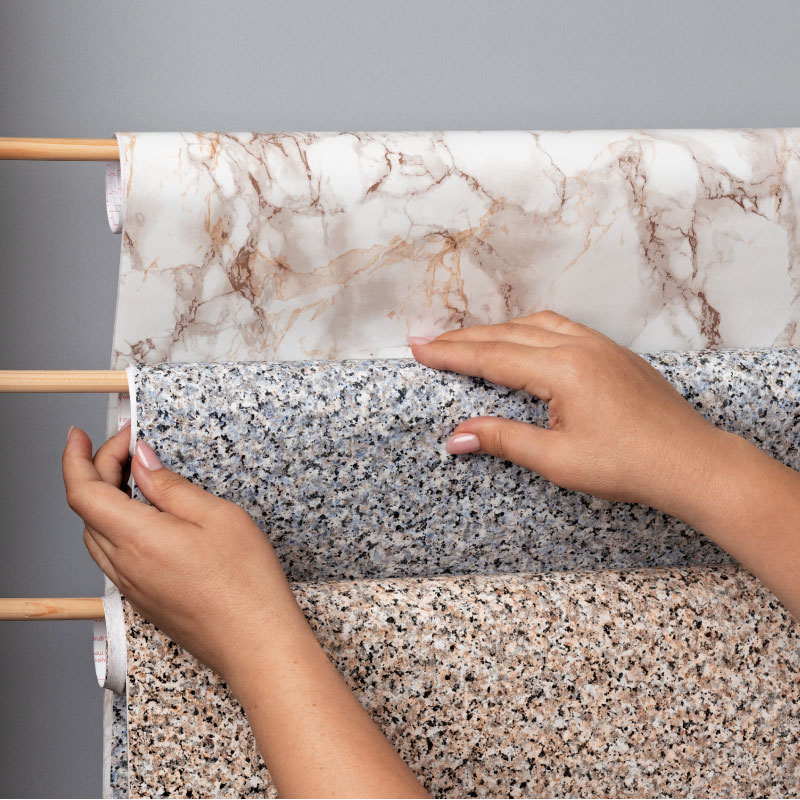



PVC Interior Decoration: Durable, Stylish and Budget-Friendly Options for Modern Homes
PVC interior decoration gives you waterproof, low-maintenance surfaces and a wide range of finishes that suit modern apartments and small offices without blowing the budget. This practical how-to guide walks through the right PVC products for kitchens, bathrooms and feature walls, realistic Mumbai-region budgets, installation and upkeep, plus where to source samples and local supply options. Examples reference Manix Global products and common local workflows so you can plan material, cost and timeline with confidence.
Why choose PVC for modern home interiors
Clear advantage: pvc interior decoration delivers practical benefits that matter in Mumbai region projects – moisture resilience, low upkeep and fast installation. These qualities make PVC a pragmatic choice for bathrooms, kitchen backsplashes, lift lobbies and rental apartments where speed and durability trump the need for refinishing.
Performance snapshot: PVC wall panels and waterproof PVC panels resist rot, termite attack and staining in ways plywood plus laminate do not. The material is lightweight so it reduces load on partitions and speeds up labour, but it requires allowance for thermal expansion and careful edge sealing to avoid visible gaps over time.
Where PVC beats the usual alternatives
Practical tradeoff: Compared with gypsum board or painted surfaces, PVC panels eliminate repeated painting cycles in wet zones and cut lifecycle maintenance. Compared with plywood plus laminate, PVC is usually lower upfront and simpler to repair section by section. The tradeoff is that high quality natural wood finishes cannot be refinished like real timber – a damaged PVC veneer is replaced, not sanded and revarnished.
Real-world example: A two-bathroom renovation in Navi Mumbai replaced tiled dado and painted walls with PVC wall panels and PVC vinyl flooring from Manix Global. The job finished two days faster than the tiled option, required no grout sealing, and the client avoided a repaint cycle that would have been needed within three years for painted walls.
Limitations to plan for: Do not treat PVC as maintenance free without process control. Substrate preparation, ventilation for thermal movement, and correct adhesives or GI framing patti are decisive. In high-heat locations or near direct cooktops choose heat-resistant grades and verify ratings; for multi storey or apartment corridors confirm fire-retardant classification against local codes.
Selection judgement: Use PVC for wet zones, feature walls, false ceilings and low to medium traffic flooring. For wear-intensive floors select premium PVC vinyl flooring or hybrid systems rather than thin decorative sheets. When aesthetics demand natural stone or solid timber look beyond a mimic and budget for future replacement rather than refinishing.
PVC product categories and Manix Global offerings
Direct point: For practical pvc interior decoration you need a predictable set of product categories paired with the right substrates and fixings. Manix Global supplies the full stack you will ask for on a job: ceiling panels, wall panels, laminates including marble and wood-grain effects, vinyl flooring, PVC doors and complementary items like adhesives, GI framing patti and finishing mouldings.
- PVC Ceiling Panels: lightweight interlocking panels and 600×600 tiles; finishes include matte, wood-grain and micro-texture; typical use – false ceilings and wet-area soffits; recommended substrate – level RCC soffit or battens.
- PVC Wall Panels (rigid and flexible): common thickness 6mm, 8mm and 10mm; finishes – wood, marble, fluted, 3D; fix over cement board, existing plaster or tile after priming; use mechanical fixing or certified adhesives with silicone-sealed joints.
- PVC Laminates and Marble Laminate: 0.6mm to 1.2mm decorative sheets for cabinet cladding and counters; higher gloss acrylic options for visible joinery; not refinished like timber, replace damaged panels.
- PVC Vinyl Flooring: click and glue options with 2mm to 5mm total thickness, wear layers 0.2mm to 0.7mm; choose heavier constructions for rental flats and commercial lobbies.
- uPVC Doors and Folding Systems: rigid profiles for bathrooms and utility rooms; moisture-proof alternative to hollow-core doors.
- Mouldings and Trims: skirting, J-channels, corner trims and edge guards to finish seams and allow thermal movement.
Choosing thickness, material type and finish
Selection rule of thumb: pick panel thickness to match span and handling conditions rather than aesthetics alone. Use 6mm for protected vertical surfaces, 8mm when you expect occasional knocks, and 10mm plus for partitions that will be mechanically fixed or see rough use.
uPVC versus flexible PVC: uPVC or rigid profiles are superior when a firmer edge and structural stability matter, for example external toilet doors or partition caps. Flexible decorative sheets save cost and install time but need a solid, even substrate and careful sealing to avoid buckling.
Finish trade-offs: high gloss acrylic looks premium but highlights scratches and fingerprints; textured or matte wood-grain finishes hide wear and suit high-traffic apartments. For kitchen countertops choose thicker marble-effect laminates rated for heat resistance.
Concrete example: A Panvel apartment bathroom used 8mm tongue-and-groove PVC wall panels in a textured wood-grain finish fixed over cement board with GI framing patti at 600mm centers, silicone-sealed vertical joints and a 4mm PVC vinyl floor with 0.5mm wear layer. Manix Global supplied panels, adhesive and matching skirting, which sped the job and avoided the repeat sealing and grout maintenance the owner faced with tiles.
Practical limitation: thicker panels and premium laminates cost more up front but reduce framing, callbacks and patch repairs; cheap thin sheets look OK initially but raise lifecycle replacement risk.
Design applications and style pairings
Direct observation: Design choices determine whether pvc interior decoration reads as a deliberate finish or a low-cost afterthought. Match panel type, texture and trim to the room function first, then tune colour and pattern to the style direction.
Room-first pairings: For wet zones use waterproof PVC panels and PVC vinyl flooring; for feature walls choose fluted or textured panels; for ceilings pick 600×600 tiles or interlocking boards that hide services. Think of the system—panel, substrate, trim—rather than a single sheet.
Five practical style pairings that work in Mumbai homes
| Style direction | Recommended PVC treatment | Why it works (practical note) |
|---|---|---|
| Scandinavian minimalism | Matte wood-grain PVC veneers, light plank PVC vinyl flooring | Light tones enlarge small flats and textured matt hides daily wear |
| Contemporary gloss | High-gloss acrylic laminate panels and white PVC ceiling tiles | Sharp reflections make compact kitchens feel larger but show fingerprints |
| Industrial urban | Metallic-effect PVC sheets + dark textured vinyl flooring | Offers the metallic look without weight and simplifies installation |
| Tropical coastal | Light oak wood-grain PVC panels + moisture-resistant PVC skirting | Resists salt-air corrosion better than painted plywood in beachside apartments |
| Minimal luxury | PVC marble laminate for counters and full-height wall cladding | Lower cost than natural stone and simpler to replace if damaged |
Trade-off to plan for: High-gloss and mirror-effect PVC deliver show-room looks but demand more maintenance and will emphasise poor joints and thermal movement. Textured or matt surfaces tolerate Mumbai humid conditions and conceal small alignment errors—choose those for rented units or heavy-use areas.
Concrete example: A compact open-kitchen in a South Mumbai apartment used PVC Marble Laminate for the 600mm backsplash and under-counter cladding, extended visually into the breakfast bar; adjoining living area received 4mm PVC vinyl flooring in plank format for continuity. Manix Global supplied the marble-effect laminates and matching skirting, which cut on-site cutting time and kept seams to a minimum.
Practical insight and judgement: Fluted panels are forgiving for concealment of small service runs and create strong vertical rhythm, but they make flush mounting of shelving and large frames harder—factor location of TV, switches and cabinets before locking the joint pattern. Also, continuous runs across a wall are visually cleaner than patching different sheets; invest slightly more in longer panels to reduce visible joins.
Budgeting and cost comparison for Mumbai region
Straight to the point: pvc interior decoration usually lowers lifecycle expense for wet zones compared with painted or plywood systems, but the budget line items behave differently in Mumbai. Materials are price-competitive, yet labour quality, monsoon-driven scheduling, and finishing trims create the biggest cost variability — ignore those at your peril.
Below are realistic market ranges you can use for ballpark budgeting. Numbers are approximate installed costs and assume normal apartment conditions, standard substrate preparation and mid-range finishes. Request a formal site quote from suppliers such as Manix Global PVC Ceiling and Wall Panels or download the full catalogue for exact SKUs.
| Product | Typical material cost (INR/sqft) | Typical installed cost (INR/sqft) |
|---|---|---|
| PVC wall panels (6–8mm, wood/marble/textured) | 60 – 200 | 160 – 400 |
| PVC ceiling panels (interlocking / 600×600 tiles) | 80 – 220 | 180 – 420 |
| PVC vinyl flooring (3–5mm total, 0.3–0.7mm wear layer) | 150 – 400 | 300 – 700 |
| PVC marble laminate (0.8–1.2mm decorative sheets) | 220 – 550 | 380 – 900 |
Why the spread matters: Installed cost includes more than the sheet. Expect a budget split roughly like: materials 50%, labour 30%, adhesives and GI framing patti 8–12%, trims and sealants 6–8%, plus a 5–8% waste allowance. If labour drops below skilled rates to save money, final fit, joint alignment and sealant application suffer and you will pay later in callbacks.
Practical trade-off: Premium thicker panels and better adhesives raise initial spend but reduce the chance of expansion gaps, edge lift and seam staining in Mumbai humidity. Cheap thin sheets can look fine for a season, then curl or gap—that is a replacement cost, not a cosmetic one.
Concrete example: A 40 sqft bathroom wall replacement in Thane with 8mm tongue-and-groove PVC wall panels and silicone-sealed joints cost approximately INR 6,400 to INR 12,000 installed, including adhesives and trims. The same area done with plywood plus laminate (moisture-treated plywood, laminate, edge sealing) typically ran higher upfront and required a repaint/repair cycle sooner because of moisture stress on plywood edges.
Lifecycle judgment: For wet zones in coastal apartments, PVC commonly wins total cost of ownership over 5–8 years because you avoid grout resealing, repaint cycles and plywood rot. If the brief prioritises authentic natural stone or timber that must be refinished over time, accept higher upfront cost and a different maintenance regime.
Sourcing tip: Bundle products and accessories with one local supplier to cut delivery and coordination overheads. Suppliers like Manix Global can offer product+adhesive+trim packages that simplify quoting and often give volume discounts; schedule installations outside peak monsoon months to avoid premium labour rates and water-damage risk.
Next consideration: before approving budgets, add the estimated cost of substrate prep and GI framing patti to the installed line. Those items move a provisional quote by enough to change a specification from acceptable to unaffordable — and they determine whether the finished pvc interior decoration lasts or becomes a future repair line item.
Installation best practices and common pitfalls
Installation quality decides longevity. Poor detailing, not the material, is why pvc interior decoration failures show up in year two. Treat installation as a system: substrate, framing, fixing, sealants and trims must be specified together before ordering panels.
Practical workflow to avoid rework
- Survey and layout: measure in situ, mark service runs, and set panel run direction to minimise visible joins.
- Substrate checks: confirm flatness within 3–4 mm over 2 m, test wall moisture with a hygrometer, and repair hollows or loose plaster; uneven substrates are the single biggest cause of panel edge lift.
- Framing and support: install GI framing patti at specified centres (commonly 400–600 mm for walls); use galvanised sections and corrosion-resistant fasteners in coastal locations.
- Fixing method: choose mechanical fixing for high-traffic areas or ceilings and adhesives for continuous vertical cladding on sound substrates; document the approved adhesive type and curing window.
- Sealing and trims: leave expansion gaps at perimeters (typically 4–6 mm), use J-profiles or skirting, and seal vertical joints with compatible MS polymer or neutral-cure silicone.
- Final QA: check alignment under natural light, verify seam contact after 24–48 hours, and provide the homeowner a written maintenance note.
Fixing trade-off: adhesives are fast and clean but fail when substrates are damp, or when installers skip manufacturer cure times. Mechanical fixing costs more time but prevents edge lift in kitchens, stair lobbies and commercial receptions. In practice, combine both: mechanical clips where panels span or take load, adhesive on full-area backing for a flat finish.
Common pitfalls contractors still make:
- Assuming panels can be fitted immediately after plastering without a moisture test; adhesives will not bond to damp surfaces.
- No allowance for thermal movement — panels squeezed tight at edges will buckle during hot spells.
- Using generic construction adhesive rather than a PVC-compatible adhesive or MS polymer; bond strength and long-term flexibility differ.
- Skipping rust-proof fasteners in coastal projects, which leads to staining and corrosion at visible joints.
Concrete example: In a small Thane office fit-out we installed 600×600 PVC ceiling tiles on a lightweight grid. Team used a combination of mechanical T-grid and spot adhesive to prevent tiles sagging from A/C condensation. Joints were sealed with neutral-cure silicone and a 5 mm perimeter gap was retained to allow seasonal movement; the system remained tight through the next monsoon without callbacks.
Installer skill matters more than a marginally cheaper panel. In Mumbai-region projects the usual failure mode is poor trade coordination during monsoon — late material delivery, wet substrates, rushed sealant work. Pay for an installer who can produce a mock-up panel run on site before full installation; that one page of proof saves multiple callbacks.
Takeaway: insist on a site mock-up and a signed installation checklist before materials leave the warehouse — that single check eliminates the three common failure modes for pvc interior decoration: moisture, movement and bad fixings.
Sustainability, safety and regulations
Practical starting point: treat sustainability and safety as procurement filters, not marketing checkboxes. Before you approve panels, demand the MSDS, a VOC emission statement and a fire-test certificate from the supplier; those three documents decide whether a PVC system is acceptable for a given space.
Environmental trade-off: PVC can be recycled, but recycled-content grades and fire-retardant formulations behave differently. Recycled content lowers embodied carbon yet can limit surface finishes and mechanical consistency; flame retardant additives improve safety classification but reduce recyclability. Ask suppliers whether they participate in a recognised recovery programme such as VinylPlus and for proof of recycled content rather than relying on generic green claims.
Regulatory reality: national testing and local code compliance matter. For multi-storey residential cores, lifts and escape routes, specify panels with documented fire performance and cross-check with the BIS guidance relevant to your building type. Do not accept verbal assurances—require certified test reports and a written note on how panel combustibility affects corridor and shaft ratings.
Indoor air quality and adhesives: low-VOC panels alone are insufficient if installers use solvent-based adhesives or neutral-cure silicones incorrectly. Specify low-VOC adhesives and ask the supplier for compatibility data; for enclosed bathrooms and small flats insist on ventilation during and after installation until adhesives cure. Cheap, fast adhesives are often the silent cause of complaints.
Health, handling and storage: cutting and trimming PVC creates fine particulates and sharp edges. Require basic PPE for trades (respirator, eye protection, cut-resistant gloves), use shears or score-and-snap where possible, and keep panels shaded during storage to avoid heat-warping. Also verify that corrosion-resistant fasteners are used in coastal sites to prevent staining at visible joints.
Concrete example: A seven-storey gated community lobby in Mumbai specified FR-rated rigid PVC cladding for corridor walls. The contractor insisted on supplier-supplied MSDS and a fire-test report before procurement, used a mineral-filled FR grade to meet the fire brief, and secured a limited take-back agreement for off-cuts. The result: compliance for common areas and a documented disposal route for construction waste.
- Document checklist: MSDS, VOC test report, fire-test certificate, and warranty for colour/fade.
- Installation commitments: adhesive compatibility statement, recommended expansion gap and trim profile.
- End-of-life plan: supplier recycling or take-back option, or guidance for safe disposal in India.
Next consideration: before signing a purchase order, get the documented test reports and a written installation and disposal plan integrated into the contract — that prevents specification disputes and keeps the installation both safe and defensible under local regulations.
How Manix Global helps implement PVC interior decoration locally
Direct capability: Manix Global acts as a local implementation partner by combining stocked PVC material, regional logistics and hands-on technical support so your specification becomes an executable job rather than a shopping list.
What they actually do on the ground: supply-ready SKU bundles (panels, trims, adhesives, GI framing patti), deliver to site across Navi Mumbai, Panvel, Thane and Mumbai, provide sample swatches for light checks, and share technical datasheets and MSDS so designers and purchasing managers can validate performance quickly.
Practical limitation to plan for: stocked inventories speed delivery for standard wood-grain, marble and textured finishes, but bespoke colours or special fire-retardant grades often need factory lead time and minimum order quantities. If your project relies on an unusual finish, accept an extra 2–6 week ordering window rather than assuming same-day supply.
Trade-off in real projects: bundling material, adhesives and trims with one supplier reduces coordination and freight cost, but it does not replace skilled installers. Manix will advise and recommend installers; you still need to insist on a paid site mock-up and an agreed installation checklist to avoid the usual on-site mistakes.
How to use Manix Global for a single-source PVC system
- Step 1: Order sample swatches and the printed catalogue to verify finish and texture under your site lighting (catalogue).
- Step 2: Share your site photos and basic dimensions; request a site-visit quote or remote takeoff from Manix to get a consolidated material+accessories price.
- Step 3: Approve a one-off mock-up panel run before bulk fit-out; require the supplier to provide the MSDS and adhesive compatibility statement with the delivery.
- Step 4: Schedule delivery and installation dates outside peak monsoon weeks; accept a short lead time for non-standard items.
Concrete example: For a bathroom upgrade in Navi Mumbai the client ordered 8mm PVC wall panels, matching PVC skirting and 4mm vinyl flooring through Manix Global. Manix delivered samples within 48 hours, produced a site-measure quote, coordinated delivery and supplied a site mock-up; the installer completed the work in three days with no seam callbacks because the adhesive and trim kit were matched and pre-approved.
Judgement you should use: treat Manix as a procurement and technical resource, not an installation warranty. Their value is predictable supply, local stock and documentation; your protection is in insisting on mock-ups, fixing specs, and a delivery schedule written into the purchase order.
Short project examples and specification templates
Practical point: copy-ready specs and short project precedents remove ambiguity during procurement and cut down on delays. Below are two tight real-world jobs for pvc interior decoration and a ready-to-use specification template you can paste into an order or tender document.
Project example 1 — Residential bathroom, Navi Mumbai
Scope: full bathroom dado and wet-wall reclad, 40 sq ft. Products used: 8mm tongue-and-groove PVC wall panels in textured marble finish, 4mm vinyl flooring with 0.5mm wear layer, PVC skirting. Fixing: GI framing patti at 600 mm centres, full perimeter 4 mm expansion gap, neutral-cure silicone on vertical joints. Outcome: finished in three working days, no grout or repaint work required afterwards and lower callback rate compared with the previously used plywood system. Manix supplied panels, adhesive and trims — request samples at Manix Global product catalogue.
Project example 2 — Small office reception, Thane
Scope: 12 sq m feature wall and ceiling soffit over a one-day shutdown. Products used: fluted 10mm PVC wall panels in matte oak, 600×600 interlocking PVC ceiling tiles, aluminium T-grid for ceiling. Fixing: mechanical clips for fluted panels at 300 mm centres with bead adhesive on full area backing for rattle-free finish. Outcome: installation completed overnight with minimal business disruption; the fluted surface concealed small service penetrations and reduced visible jointing.
Copy-and-paste specification template
| Spec field | Template (paste into PO or tender) |
|---|---|
| Product | PVC wall panels – tongue-and-groove rigid panels |
| Finish / Colour | Textured marble effect (SKU: request sample code from Manix Global) |
| Thickness | 8 mm nominal (±0.2 mm) |
| Substrate | Cement board or prepared plaster, flat to 3 mm over 2 m |
| Fixing method | GI framing patti @ 600 mm centres; mechanical clips + full-area PVC-compatible adhesive |
| Sealant / Trim | Neutral-cure silicone vertical joints; PVC J-channel at perimeters; 4–6 mm expansion gap |
| QA & Delivery | One site mock-up (1 m run) before bulk delivery; MSDS and adhesive compatibility statement with shipment |
| Supplier contact | Manix Global – PVC Ceiling & Wall Panels |
Important trade-off: full-area adhesive produces a cleaner, dead-flat surface but fails on damp or uneven substrates; mechanical fixing is more forgiving but shows fasteners unless trimmed. In practice combine both methods for high-use walls — mechanical at load points, adhesive to remove oscillation.
- Final handover checklist: confirm seam adhesion and no gaps under natural light
- Edge control: verify perimeter expansion gaps and proper J-channel installation
- Cure verification: ensure adhesive and sealant have met manufacturer cure times before handed-over use
- Documentation: hand over MSDS, fire certificate (if applicable) and maintenance note to owner
- Label spare parts: tag and store one matching panel per room for future patch repairs