

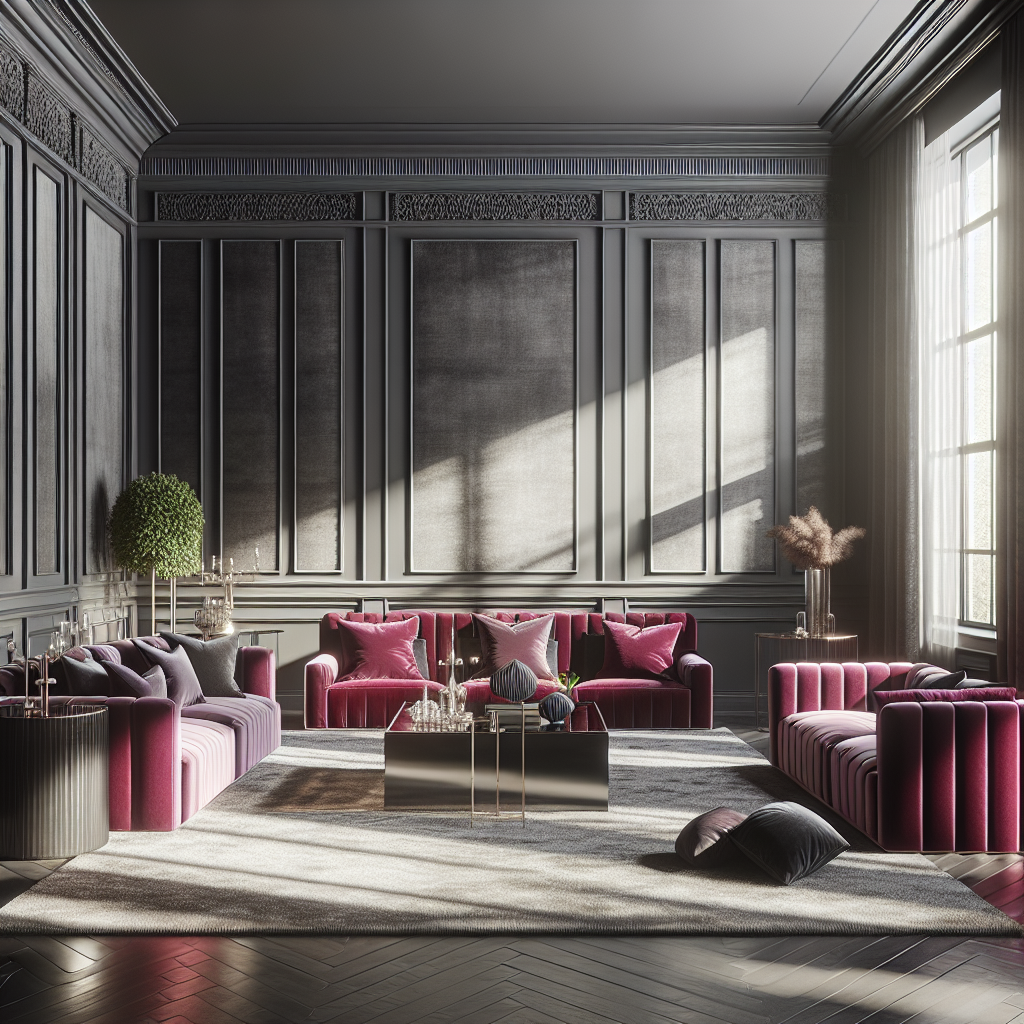

Charcoal Wall Panels: Add Sophistication and Depth to Your Interior Spaces
Article Overview
Article Type: How-To Guide
Primary Goal: Teach designers, specifiers, contractors, and savvy homeowners how to select, specify, install, style, and maintain charcoal wall panels to create sophisticated, durable interiors using practical material guidance and real product and sourcing options, with locally relevant advice for Mumbai metropolitan area projects.
Who is the reader: Interior designers, architects, contractors, and informed homeowners in Mumbai, Navi Mumbai, Panvel, Thane and surrounding areas who are planning residential, hospitality, or commercial interiors and are evaluating wall finishes and panel systems for upcoming renovation or fit-out projects.
What they know: Readers understand basic interior design principles and have seen dark wall treatments in photos or showrooms. They may know general panel types like plywood, laminate, PVC and MDF but need concrete guidance on which charcoal panel material to choose, cost and installation implications, compatibility with lighting and joinery, local sourcing, and maintenance.
What are their challenges: They need to balance aesthetics with durability and moisture/fire requirements, select the right substrate and finish for high-traffic or humid areas, estimate material and installation costs, locate reliable suppliers and installers in the Mumbai region, ensure good acoustic and thermal performance where required, and avoid visible seams or poor lighting outcomes that flatten the space.
Why the brand is credible on the topic: Manix Global is a one-stop supplier of interior products across Mumbai metropolitan areas, offering an extensive catalog that includes charcoal wall panels, PVC wall panels, WPC panels, laminates, plywoods, ACP sheets and related accessories. The company sources products from leading manufacturers and has experience supplying designers, contractors and builders in Navi Mumbai, Panvel, Thane and Mumbai, making it a practical resource for both material selection and local procurement.
Tone of voice: Authoritative and practical with design-forward sensibility. Clear, solution-focused language that balances aesthetic guidance with technical specifications and local sourcing recommendations. Avoids marketing hype; emphasizes actionable steps, measured tradeoffs and real product names.
Sources:
- Manix Global product pages and catalog at manixglobal.com
- Architectural Digest article on using dark walls for depth and mood: https://www.architecturaldigest.com/story/how-to-use-dark-walls
- The Spruce overview of wall panel types and installation considerations: https://www.thespruce.com/what-are-wall-panels-1821542
- Greenlam laminate product and finish ranges for matte and textured surfaces: https://www.greenlam.com/products/laminates
- CenturyPly wall panelling and MDF product guidance: https://www.centuryply.com/products/wall-panelling
Key findings:
- Charcoal as a neutral dark tone adds perceived depth and sophistication while remaining more versatile than black; its success depends on lighting, surface finish and adjacent materials.
- Material selection matters: PVC and WPC panels offer moisture resistance suitable for kitchens and bathrooms; MDF and veneer deliver premium warm textures but need proper sealing; acrylic and laminates provide durable, cleanable finishes.
- Lighting strategy and trim details determine whether charcoal panels read as luxurious or oppressive; directional lighting, brass accents and warm woods balance the darkness.
- Acoustic and thermal performance improves when panels are combined with insulating backing or acoustic substrates; panels alone do not guarantee sound control.
- Local sourcing and installer experience in Mumbai region affects final cost and timeline; partnering with suppliers who provide samples, technical data sheets and installation guidance reduces risk.
Key points:
- Explain why charcoal works as a design choice and how to use it without making spaces feel smaller: cover color theory, contrast strategies and lighting.
- Compare material options for charcoal wall panels (PVC, WPC, MDF with veneer, laminate, acrylic, ACP) with pros, cons, typical sizes, fire and moisture considerations, and real brand examples.
- Provide step-by-step guidance for measurement, substrate preparation, installation options, finishing details and recommended adhesives/fasteners for Mumbai climate and typical local construction practices.
- Offer styling examples and pairing recommendations (floors, trims, lighting, metals, upholstery) with at least two concise project scenarios relevant to residential and commercial projects in Mumbai.
- Detail maintenance, repair and lifecycle considerations so readers can make a long-term decision including cleaning methods and warranty expectations.
Anything to avoid:
- Avoid vague high-level design platitudes without technical backup or specific product references.
- Avoid promotional language or hard selling; mention Manix Global as a supplier and resource but do not use overt marketing claims.
- Do not recommend untested or unsafe installation methods; avoid DIY claims for structural or fire-rated applications.
- Avoid generic material statements without specifying brands, sizes, or performance characteristics.
- Do not present a single material as universally best; show tradeoffs and decision criteria.
External links:
- https://www.architecturaldigest.com/story/how-to-use-dark-walls
- https://www.thespruce.com/what-are-wall-panels-1821542
- https://www.greenlam.com/products/laminates
- https://www.centuryply.com/products/wall-panelling
- https://www.dezeen.com/tag/dark-interiors/
Content Brief
This article is a practical how-to resource for selecting and using charcoal wall panels in interiors. Cover both high-level design reasoning and down-to-earth technical details so readers can move from concept to procurement and installation. Emphasize real product options, local sourcing through Manix Global, and installation realities in the Mumbai climate. Keep tone professional, visually aware and technically precise. Use concrete examples, material specifications (thickness, core type, typical panel sizes), and mention at least three brand product families (for example Greenlam laminates, CenturyPly panel systems and specific PVC or WPC panel lines). When describing installation, provide step sequences, recommended adhesives or mechanical fixings, and common mistakes to avoid. Include clear, short project scenarios and 5 8 practical FAQs at the end.
Why Charcoal Paneling Creates Sophistication and Perceived Depth
- Explain the visual effects of charcoal compared with black and deep grey: neutral warm undertones, reduced glare and better contrast with highlights.
- Design contexts that work best: living rooms, hotel lobbies, feature walls in corporate offices, restaurant booths and premium retail displays; cite designers known for dark palettes such as Kelly Wearstler for reference.
- How lighting, finish (matte vs textured vs gloss) and adjacent materials (wood, brass, stone) influence perceived depth and mood.
Material Types and How to Choose: PVC, WPC, MDF with Veneer, Laminates and Acrylic
- PVC wall panels: properties, ideal use cases (bathrooms, kitchens), moisture resistance, common sheet sizes and brands to consider.
- WPC panels: wear resistance, dimensional stability, where they outperform MDF, and maintenance differences.
- MDF or HDF panels with natural or recon veneer: visual warmth, limitations in humid areas, sealing requirements and manufacturers such as CenturyPly for MDF options.
- Laminate and acrylic surfacing (Greenlam, decorative laminates): available charcoal finishes (matte, textured, metallic), scratch resistance and cleanability.
- Comparative table guidance to include in article: cost per square foot (range), typical lifespan, fire rating notes and suitability for high-moisture zones.
Design Strategies and Pairings That Prevent Dark Walls from Feeling Oppressive
- Accent approaches: single feature wall vs. full-room wrap vs. partial wainscotting and vertical fluted panels for perceived height.
- Material pairings: warm oak or walnut flooring (SPC or engineered wood), brass/aged metal accents, light upholstery colours (cream, blush), and how to layer textures with rugs and fabrics.
- Lighting strategies: wall washers, picture lights, LED strip in fluted panels, and recommended color temperatures (2700K 3000K warm white) to balance charcoal.
- Examples from hospitality and retail where dark panels highlight product displays or artwork; mention Aesop stores as an example of dark paneling used with warm materials.
Specification and Procurement Checklist for Mumbai Projects
- List of required performance data and samples to request: technical data sheet, fire rating (ASTM or BIS equivalents), moisture absorption, warranty, sample panels in 600 mm x 1200 mm or actual panel size.
- How to calculate quantities, waste allowances, and ordering advice for matching panels and trims to reduce visible seam patterns.
- Local procurement tips: ask Manix Global for charts of available charcoal finishes, sample boards, lead times and delivery to Navi Mumbai, Panvel, Thane and Mumbai.
- Budgeting ranges for typical panel types per square foot and contingency allowances for complex joinery or acoustic backing.
Installation Best Practices and Common Pitfalls
- Surface preparation steps: substrate inspection, leveling, moisture barrier or priming where required, and recommended backing materials.
- Installation methods: tongue and groove, mechanical fixings, adhesive options (type and vendor-appropriate adhesives), screw patterns and recommended expansion gaps.
- Seam treatment and trim: strategies for aligning grain or textures, invisible joins with matching end trims, and finishing with skirtings or shadow gaps.
- Common mistakes to avoid: inadequate ventilation behind panels, insufficient expansion gaps in humid climates, poor lighting placement that flattens surfaces.
Acoustics, Insulation and Fire Considerations
- How to improve acoustic performance: adding mineral wool or acoustic foam behind panels, using perforated panels or acoustic backers from brands like Ecophon or Artnovion where sound control is critical.
- Thermal performance implications and when panels add measurable insulation or require vapor barriers in humid coastal climates.
- Fire safety: explain classification basics to request from suppliers (fire retardant treated MDF or fire-rated PVC alternatives) and local compliance expectations for commercial fit-outs.
Maintenance, Repairs and Lifecycle Management
- Cleaning protocols by material: mild soap and water for PVC and laminates, caution with solvents on acrylics and veneers, and recommended cleaning products.
- Minor repairs: scratch filling for laminates, veneer patching options, how to source matching repair kits or replacement panels from Manix Global.
- When to refinish or replace: expected lifespans for each material in high-traffic settings and guidance on reclaiming panels for reuse where possible.
Two Project Scenarios with Material Callouts
- Residential living room in Navi Mumbai: use 8 mm PVC charcoal panels with matte finish for TV feature wall, paired with oak veneer shelving, warm 3000K wall washers and Manix Global supply chain support; list approximate materials, quantities and timeline.
- Boutique cafe in South Mumbai: vertical fluted MDF panels with charcoal recon veneer sealed with PU finish, acoustic mineral wool backing for noise control, brass bar counter trim and recommended maintenance schedule; include brand suggestions and installation notes.
Frequently Asked Questions
Are charcoal wall panels suitable for small rooms without making them feel smaller?
Yes, when paired with good warm lighting, reflective accents and vertical textures such as fluted panels, charcoal can increase perceived depth without shrinking the room.
Which panel material is best for bathrooms and kitchens in Mumbai coastal climate?
PVC or WPC panels with moisture resistant cores are best for humid areas; avoid unsealed MDF unless a moisture barrier and specialized coatings are applied.
What fire performance data should I request from suppliers?
Request the material fire rating or test reports (BIS, ASTM or EN where applicable), smoke development data and any fire retardant treatment certificates before specifying for commercial use.
Can charcoal panels be installed over existing gypsum or plaster walls?
Yes, but you must inspect substrate flatness and load capacity, level the surface as needed, and use appropriate mechanical fixings or recommended adhesives for secure attachment.
How do I maintain a matte charcoal laminate to avoid showy fingerprints and marks?
Clean regularly with a soft cloth and mild detergent; avoid abrasive cleaners and use microfibre cloths for routine maintenance to minimize visible marks.
Will charcoal panels make acoustic problems worse?
Panels alone do not solve acoustic issues; adding acoustic backers or mineral wool between the panel and substrate is necessary for measurable sound absorption.
Can I source matching trims and accessories locally in Mumbai?
Yes, Manix Global and local suppliers stock trims, shadow gaps, end caps and complementary materials; requesting a finish-matched sample set reduces mismatch risk.

